 My Account
 Cart
Cart

 Helpline:
  Recite
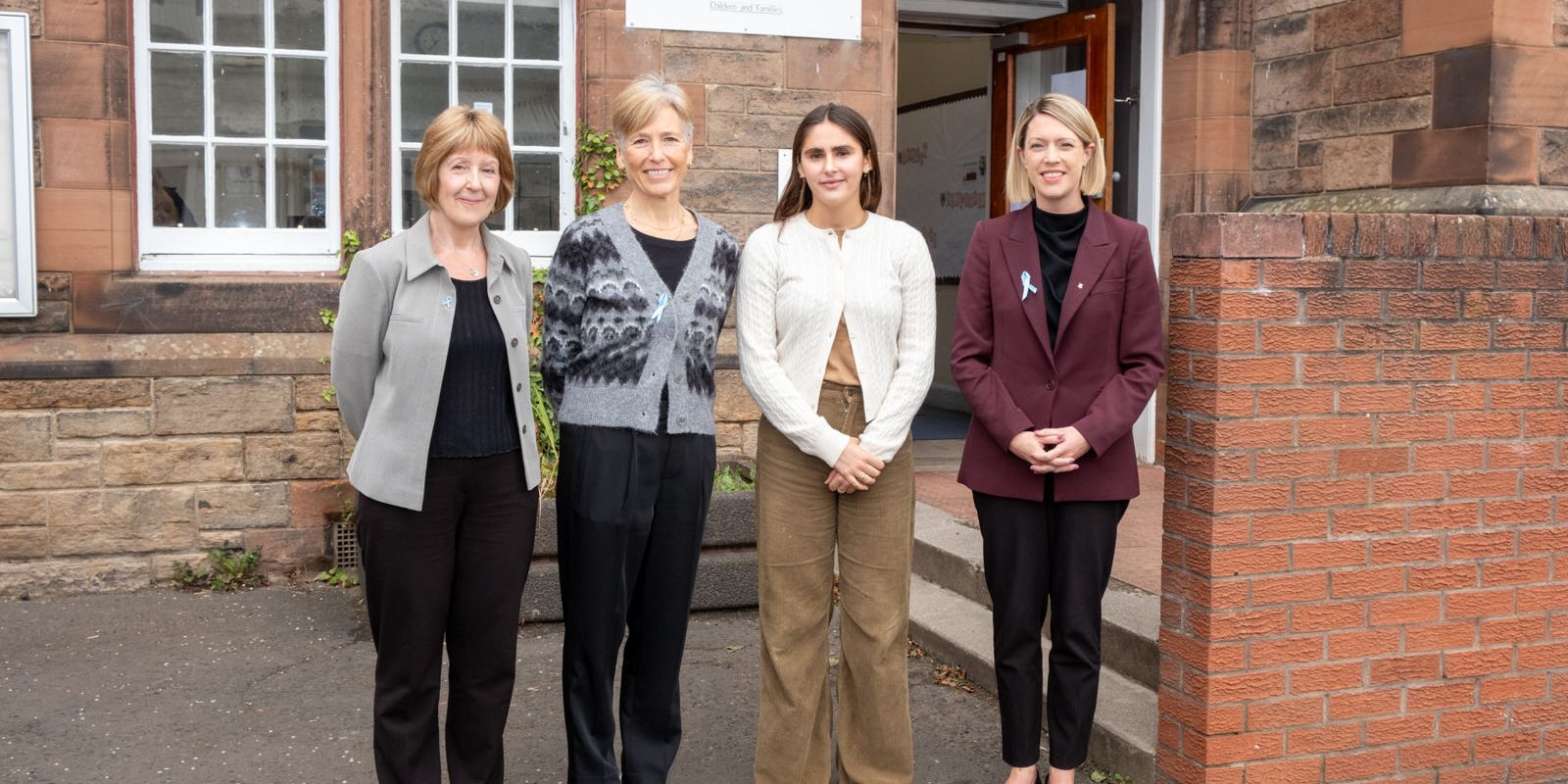
Education Secretary calls on local authorities to support dyslexic pupils
The Cabinet Secretary for Education and Skills Jenny Gilruth MSP has written to all Executive Directors of Education and Children’s Services in Scotland this week, urging them to provide appropriate support for children and young people with dyslexia in schools.
In her letter, the Cabinet Secretary states: “I want all children and young people to receive the support they need to reach their full potential, including those with dyslexia. In Scotland, a formal identification of dyslexia is not required before appropriate support is provided, however, our national approach does recognise that children and young people with dyslexia benefit from early identification.”
The letter is accompanied by an in-depth factsheet which sets out guidance on dyslexia policy and professional learning resources on dyslexia. It asks that Education Authorities follow the guidelines and utilise the resources to support children and young people with dyslexia in schools.
The letter and guidance follow a meeting between Secretary for the Cross-Party Group on Dyslexia in the Scottish Parliament Paul McNeill, Dyslexia Scotland, the Cabinet Secretary for Education Jenny Gilruth MSP and Maree Todd MSP to discuss how to improve support in schools for dyslexic learners. During a Portfolio Question session in the Scottish Parliament in February Members highlighted research by Dyslexia Scotland and the University of Glasgow showing that too many dyslexic children are still not receiving the help they need.
Secretary for the Cross-Party Group on Dyslexia in the Scottish Parliament Paul McNeill said: “I am delighted that after a lot of hard work that this guidance letter is out. It will help so many schools and local authority plan better for young people with dyslexia. We are encouraged by this progress. While we know there is lots more to be done, we now expect that this guidance letter becomes an annual update which will help support schools in their duty to dyslexic learners.”
Chief Executive of Dyslexia Scotland Cathy Magee said: “We warmly welcome the Cabinet Secretary’s letter to Directors of Education. Too many children and young people with dyslexia are still at a clear disadvantage in our schools. If we are truly to get it right for every child, systemic change is essential. We look forward to Directors of Education cascading this guidance throughout schools and learning settings, ensuring that every teacher understands how to identify and support learners with dyslexia effectively.”
According to the 2024 pupil census, 35,245 pupils in Scottish schools have been identified as dyslexic – around 12% of all pupils with additional support needs.
Research by Dyslexia Scotland in partnership with the University of Glasgow also found that early identification during school years is linked to better mental health outcomes in adulthood.
The Cabinet Secretary’s letter is seen as a key step towards improving early identification and support for dyslexic learners across Scotland.