 My Account
 Cart
Cart

 Helpline:
  Recite

Busting dyslexia myths
Scotland will only become a dyslexia-friendly country when everyone knows what dyslexia is – and isn’t.
In 2025, we surveyed the general population of Scotland to test their knowledge and understanding of dyslexia. We found out that there is a lot of confusion.
What you think you know about dyslexia could be wrong. Use this fact guide to help bust the myths.
Common myths
It’s really important that everyone in Scotland knows the correct facts about dyslexia. Have you heard any of these 10 common myths?
- People ‘grow out of’ dyslexia
- Dyslexia doesn’t exist
- Dyslexia is just about reading and spelling
- Your doctor can tell you if you’re dyslexic
- Dyslexia is an isolated learning difficulty
- Dyslexia only affects boys
- Coloured overlays will ‘fix’ dyslexia
- Identification of dyslexia isn’t necessary
- All people with dyslexia are creative
- Comic Sans is the perfect typeface for people with dyslexia
The truth behind the myths
Now you know some of the myths, let’s bust them with some facts
Myth: People ‘grow out’ of dyslexia
Truth: Dyslexia is lifelong but the important thing to remember is that most people with dyslexia develop ways to overcome the difficulties. With the right support and inclusive learning and working environments, people with dyslexia can find new ways to achieve their full potential.
Myth: Dyslexia doesn’t exist
Truth: Dyslexia exists in all cultures and across the range of abilities and socio-economic backgrounds. There is a wide range of research evidence about dyslexia, carried out by experts across the fields of education, genetics, design and neuroscience.
Myth: Dyslexia is just about reading and spelling
Truth: As well as reading and spelling difficulties, people with dyslexia can also have difficulties such as short-term and working memory and processing speed. Other things that can be difficult are sequences, organisational skills and following directions.
Myth: People should go to the doctor to find out if they are dyslexic
Truth: Doctors cannot tell you if you are dyslexic. Dyslexia is not a medical condition or an illness. Most people find out if they are dyslexic in school or by a qualified dyslexia assessor.
Myth: Dyslexia is an isolated learning difficulty
Truth: Dyslexia often co-occurs with other neurodivergences like dyscalculia, Attention Deficit Hyperactivity Disorder (ADHD) or Developmental Language Disorder (DLD). It’s important to remember though that not everyone with dyslexia will experience other learning differences – everyone is different.
Myth: Dyslexia only affects boys
Truth: Both males and females can be dyslexic. Despite this, in our recent study, Dyslexia Scotland found out that girls and women are identified on average two years later than boys and men.
Myth: Coloured overlays will ‘fix’ dyslexia
Truth: Coloured overlays are used to treat the effects of visual stress. Visual stress and dyslexia are different things, but some people have both. Coloured overlays and paper can help some people with visual stress, but they do not help specifically with dyslexia.
Myth: Identification of dyslexia isn’t necessary
Truth: Education in Scotland is needs-led, which means that children and young people do not need an identification, or ‘label’ of dyslexia, to get the support they need. However, knowing that there is a name for the difficulties they experience can be helpful for lots of children and young people.
Adults often need an identification of dyslexia to ask for things like reasonable adjustments in the workplace; however, the cost of a private assessment for adults can be a huge barrier to this.
Myth: All people with dyslexia are creative
Truth: People with dyslexia have a wide range of strengths – just like everyone else. There’s no solid evidence that dyslexia itself guarantees extra creativity, for example. It’s important for each person to discover their own unique talents and to nurture them.
Myth: Comic Sans is the perfect typeface for people with dyslexia
Truth: Research shows that people with dyslexia can read different typefaces and will find ones that they prefer. Adjusting the space between letters and lines in type can make reading easier.
Resources and downloads
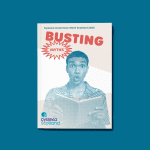
Buy the Busting Myths zine
Our handy booklet has all the facts from this page. Buy it from our online shop.
Educators
Whether you work in a school, youth work, training or adult learning setting, this lesson plan will make a great dyslexia awareness activity for your learners. Download the lesson plan and presentation.
Quiz
Have you learned the dyslexia facts? Test your knowledge with the quiz. You can enter your name for a prize draw if you take part. If you don’t get 10/10, go back and read the facts further up this page to refresh your knowledge.
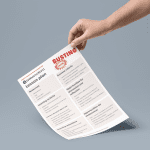
Posters
Download these printable posters for your Dyslexia Awareness Week activites.

Share your Busting Myths stories and media
Let us know how you’re marking Dyslexia Awareness Week Scotland – share your news, stories, photographs, videos and updates with us. We’ll be publishing our favourites in our next magazine.