My Account
 Cart
Cart

 Helpline:
  Recite
Young changemakers
You can help lead the way forward to a more dyslexia-friendly Scotland: put one or two simple ideas into action to become an official young Dyslexia Scotland Changemaker and earn a badge.
Step 1: Take Action
Anyone up to the age of 25 in Scotland can be a Young Changemaker. All you have to do is help raise awareness or make your area more dyslexia friendly and let us know what you’ve done. You probably have lots of ideas of your own, but here are some easy suggestions of things you can do:
Bust Myths
Use the Busting Myths resources in your school or club – give a presentation or put up a poster
Remember to discuss your ideas with your teacher/youth worker and family first. They will be able to give you support and feedback on how practical your ideas are. You will need their permission to put your ideas into practice.
Step 2: how to earn your badge
We’d love to find out how you are raising awareness. Share your updates, photos and videos through the Changemaker channel so we can publish your activity. (You’ll need the approval of your parents/carers, teacher/youth worker and anyone who appears in your media.)
Inspiration station
These young changemakers are freestyling their way to a dyslexia-friendly Scotland. Check out their efforts to get inspired.
Designing a dyslexia mascot
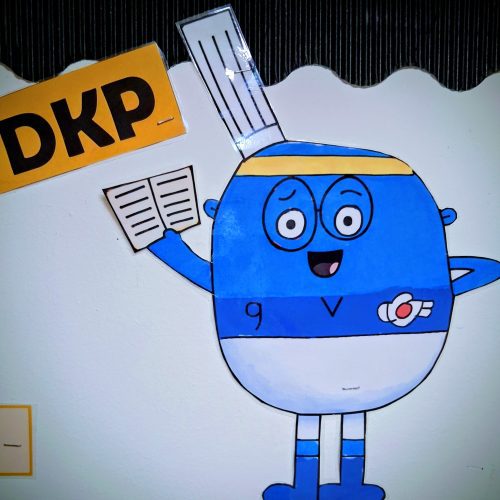
Kippen primary school says, “We are a group of pupils who have set up the Kippen Primary Dyslexia Awareness Group. So far, we have helped a whole school assembly to launch Dyslexia Awareness Week, distributed blue ribbons, created an information board (with our Dyslexia Mascot) and we are going to help our teachers make Kippen primary school as dyslexia friendly as possible.
This helps learners with and without dyslexia gain a better understanding about what dyslexia is. It makes us feel good about ourselves.”
Excellent editorial work
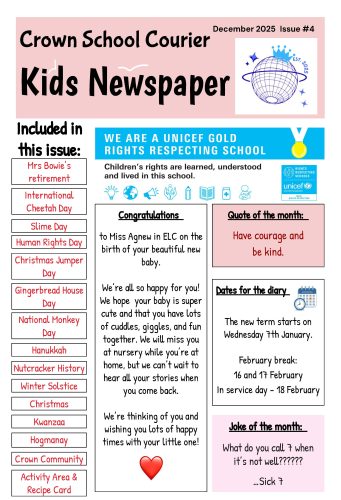
James Sutherland from Crown primary school in Highlands says, “I want to be a Dyslexia Scotland Changemaker because I believe dyslexic people like me can do great things in reading and writing when they get the right support. I started and now run my school’s monthly newspaper. I had to meet the head teacher to share my idea, and I was really nervous, but this has helped me feel more confident when speaking to people.
When the first edition was complete and posted on our school blog, I felt so happy. Lots of parents and teachers came up to me to tell me how much they enjoyed reading it. My family have also been really supportive of my idea. My brother has helped write some articles, and my mum and dad were very proud of me for taking on such a big task.
I now lead a team of students, including some who are dyslexic, and I have helped them feel brave enough to join in and share their ideas. Seeing them grow in confidence has made me want to help even more people. I want to be a Changemaker so I can keep showing others what dyslexic students can do and make them feel proud of their skills.
By involving people with dyslexia in the newspaper they feel more confident and included. Seeing their work published and receiving positive feedback has made them feel proud and shows them that dyslexia does not stop them from doing something important. It has helped them believe in their abilities, improve their writing skills, and feel like they belong. They practiced writing, editing, and speaking and they learned how to research topics, organise ideas, present information and work as a team.”
Jack’s a myth buster!
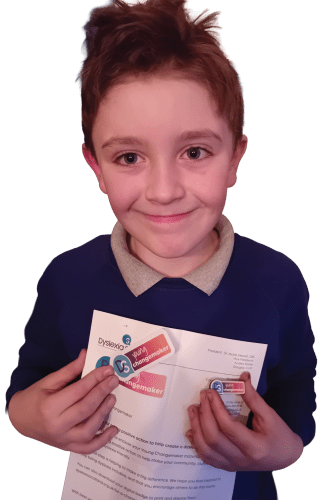
Jack Murray from South Lanarkshire used the Dyslexia Scotland Busting Myths materials to be a Young Changemaker in his school.
He showed the presentation to help his friends and teachers learn the facts about dyslexia.
Jack is really proud of his badge and sticker.
Battle of the bands
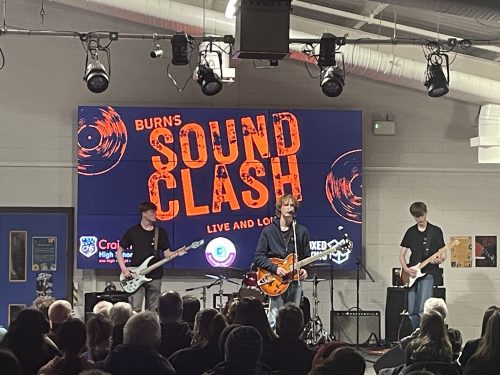
Jacob Petrie from City of Edinburgh Council is a making noise for dyslexia
Jacob says, “My changemaker activity is the Unboxed Thinking group. It started from my experience with a lack of understanding and potential support for additional support needs. The Unboxed Thinking group is a group of learners in school with additional support needs and our aims are to spread awareness about how additional support needs are different for everyone and how teachers and fellow pupils can support us.
We have created informative videos, presented at school staff training events and hosted a fundraising Battle of the Bands event to raise particular awareness of Dyslexia Scotland.
This event was an unqualified success which showcased talent across the school and started conversations about how additional support needs should not limit you in any way.
This has helped people with dyslexia in many ways. One way is that the Unboxed Thinking group has brought young people with dyslexia together so that they learn more about and receive support from their peers.
School staff have responded well to our videos which are a bridge between people with and people without additional support needs.
These have helped close the knowledge gap as some people think that dyslexia is just about reading and writing, but it has also shown how it affects memory and many other aspects of a person’s life.”
Congratulations to Emily who has graduated from the Stirling University. Emily is now going to be a teacher. She said, “As someone who is dyslexic and faced challenges to my dream of being a teacher, I want to others to see that it doesn’t stop you from reaching your goals.”