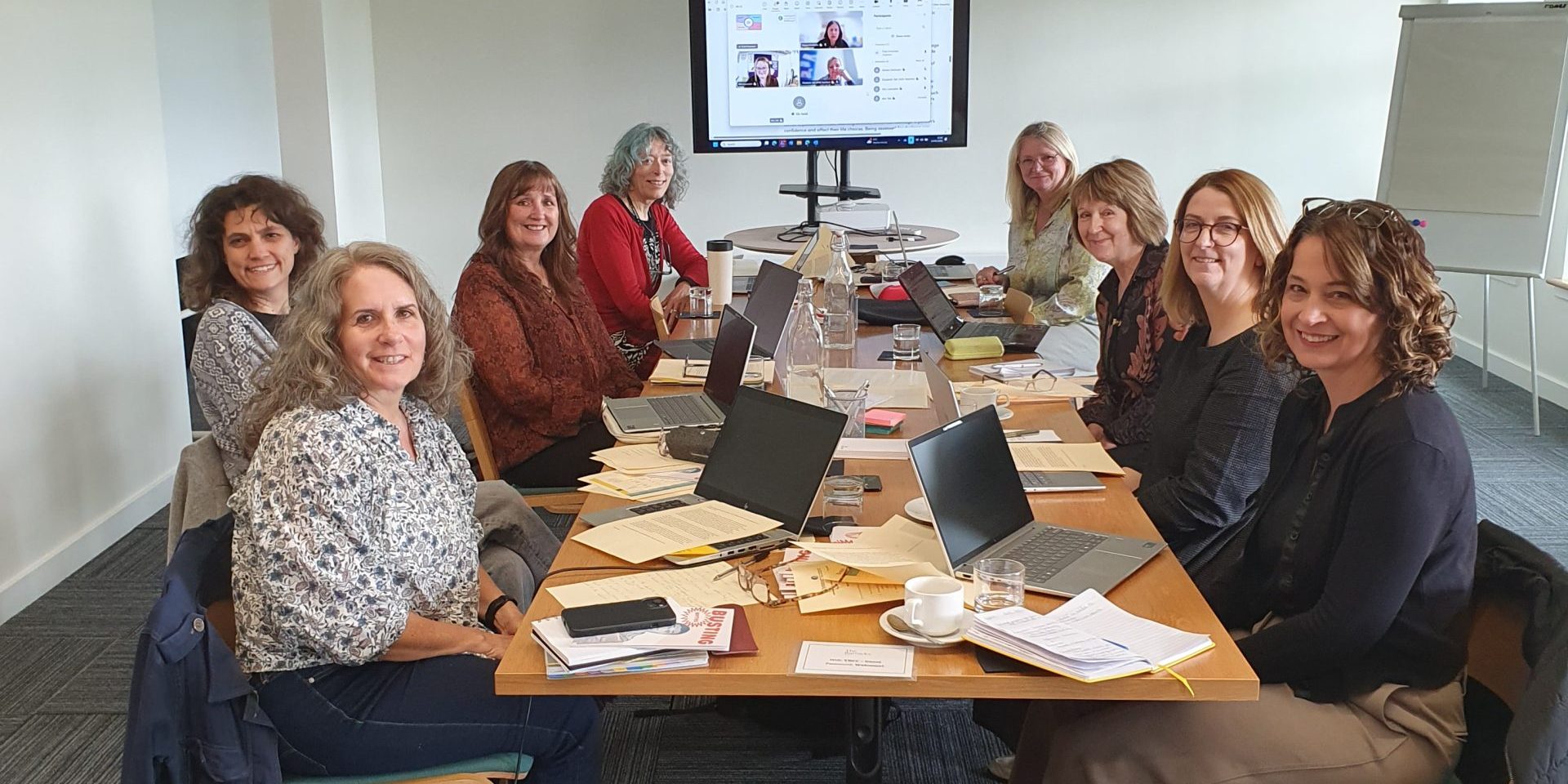
We go behind the scenes and discover the work of the Addressing Dyslexia Toolkit Working Group, through the perspectives of two of its members
The Addressing Dyslexia Toolkit Working Group is a national professionalcollaboration responsible for developing, maintaining, and guiding the Addressing Dyslexia Toolkit. Chaired by Education Scotland’s Fran Foreman, it brings together experts from the fields of research, education, and technology.
The Toolkit is a free online resource designed to support educators across Scotland to identify and supportlearners aged 3 to 18 with dyslexia. It provides practical templates, resources, and evidence-based guidance to promote effective support for dyslexic learners in Scottish schools.
Kirsteen Steven, Assistive Technology and Additional Support Needs Teacher based at CALL Scotland, said:
“We are committed individually in our daily roles to improving outcomes for learners with dyslexia and this groups brings that together nationally to be drivers of change. In terms of my personal contribution to the group, this so far has centred on guidance on the use of assistive technology, particularly ensuring that the links within the toolkit reflect current, practical and evidence informed approaches to supporting learners.
This includes reviewing content, ensuring links are there to relevant resources, and highlighting how built-in accessibility features and digital tools can support independence, engagement and inclusion in everyday classroom practice.”
Kirsteen Steven
Professor Michelle Luciano, Personal Chair of Behavioural Genetics at the University of Edinburgh, said:
I am an academic with a strong interest in understanding why some people have difficulties in learning how to read. My research focuses primarily on the biological and cognitive underpinnings of the differences we see between people in their reading and spelling skills. Being part of the group enables me to think about how research findings are best translated into practice and to think about what further research is needed in this space. My participation in the working group adds to the diversity of expertise in the group: I bring a strong research perspective to our discussions so that the decisions we make around dyslexia guidance and support are informed by both practice and science. For example, we recently updated the Scottish working definition of dyslexia to be in line with a recent Delphi study which surveyed the views of experts and practitioners working in the area.I feel very privileged to be part of the Addressing Dysleixa Toolkit working group which has the very important role of raising awareness of dyslexia, advising on inclusive practice in teaching and supporting literacy, and guiding practitioners on ways to identify and support literacy needs.
Professor Michelle Luciano
How the Toolkit helps teachers
The group is also made up of expert professionals from across the country.Hilary Aitken, Chartered Teacher (Lead) within the Literacy/Dyslexia Support Team at City of Edinburgh Council, said: “Being a member of the Toolkit Working Group is a real privilege. In meetings, I always learn a lot from my Toolkit colleagues and am able to check in about my own thinking and practice. As well as being in the fortunate position of being able to influence and support Scottish practice, I also learn a lot and always leave with lots to think about and further develop in my own Council.”
 My Account
 Cart
Cart

 Helpline:
  Recite