 My Account
 Cart
Cart

 Helpline:
  Recite
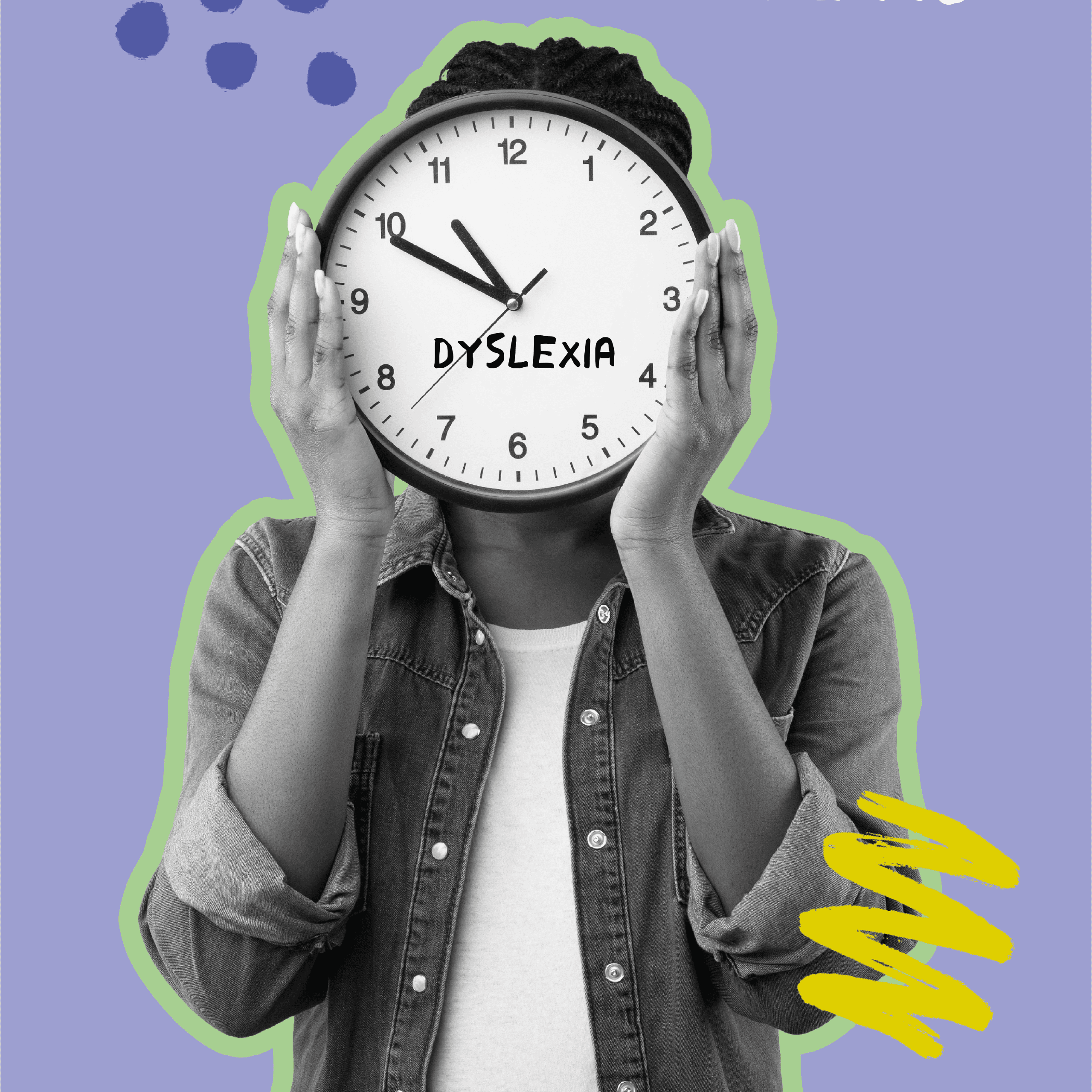
What helps people with dyslexia to learn and work?
Earlier this year we asked people with dyslexia about support and adjustments that help them in education and work. Their responses explained what helps with difficulties in reading, memory, processing information, concentrating, spelling and other issues. Here’s what we learned.
Key insights
- Most people said they had greatest difficulty with spelling, memory and processing information – so that’s where they typically looked for support.
- Lots of respondents have overlapping difficulties, so feel you need all-round support or adjustments, not necessarily for one challenge or another.
- Personalised adjustments tailored to individual needs make the biggest difference.
- The right ‘tool’ for the job isn’t always a practical tool – it can mean kindness, support, listening and helpful people.
Extra time
Lots of people said that having a bit more time for these things really helps:
- reading documents
- completing a task
- sitting exams
- learning new things
- responding to questions.
Information presented visually
With memory as one of the biggest challenges, lots of people said that these are helpful for recalling, organising, understanding and visualising information:
- checklists
- flowcharts
- visual timetables
- marker boards.

Assistive technology
Lots of people find tech essential for reading, writing and organisation, especially:
- speech-to-text and text-to-speech
- spell checking software
- digital note-taking apps
- voice recording rather than written notes
- electronic diaries with reminders and alerts.

Clear communication
Lots of people said that clear, simple communication lowers anxiety. Things that help include:
- short sentences in plain English
- a clear brief for a project
- written and verbal instructions
- priority lists
- bullet points, not paragraphs.
Chunking
Large amounts of any information can feel overwhelming. Lots of people said they need it broken down into smaller chunks. For example:
- one instruction at a time, or in a clear step-by-step outline
- documents chunked into sections.
What else helps?
A common theme that emerged was kindness and understanding – often, the best tool for the job is a supportive mentor, manager or teacher who believes in you and shows support
Kindness and communication
Lots of people feel that the best tool for any job is having someone who:
- listens
- doesn’t judge
- recognises and supports individual differences
- shows ‘what a good one looks like’
- checks understanding
- is patient and helpful
- adapts communication styles.

Quiet space
Lots of people depend on a quiet space to focus as busy environments and background noise can be distracting.

Free-sonable adjustments
Our questionnaire showed us that effective reasonable adjustments are often low cost but high impact. In general, they:
- reduce working memory demands
- reduce cognitive load
- simplify communication
- support concentration
- allow sufficient processing time
- make information more visual
- use in-built assistive technology effectively
- foster an understanding and supportive working environment.
Training on dyslexia support and adjustments
Dyslexia Scotland provides workplace and education awareness training for organisations, schools and employers.