 My Account
 Cart
Cart

 Helpline:
  Recite
Scholarship grant helps trainee teachers
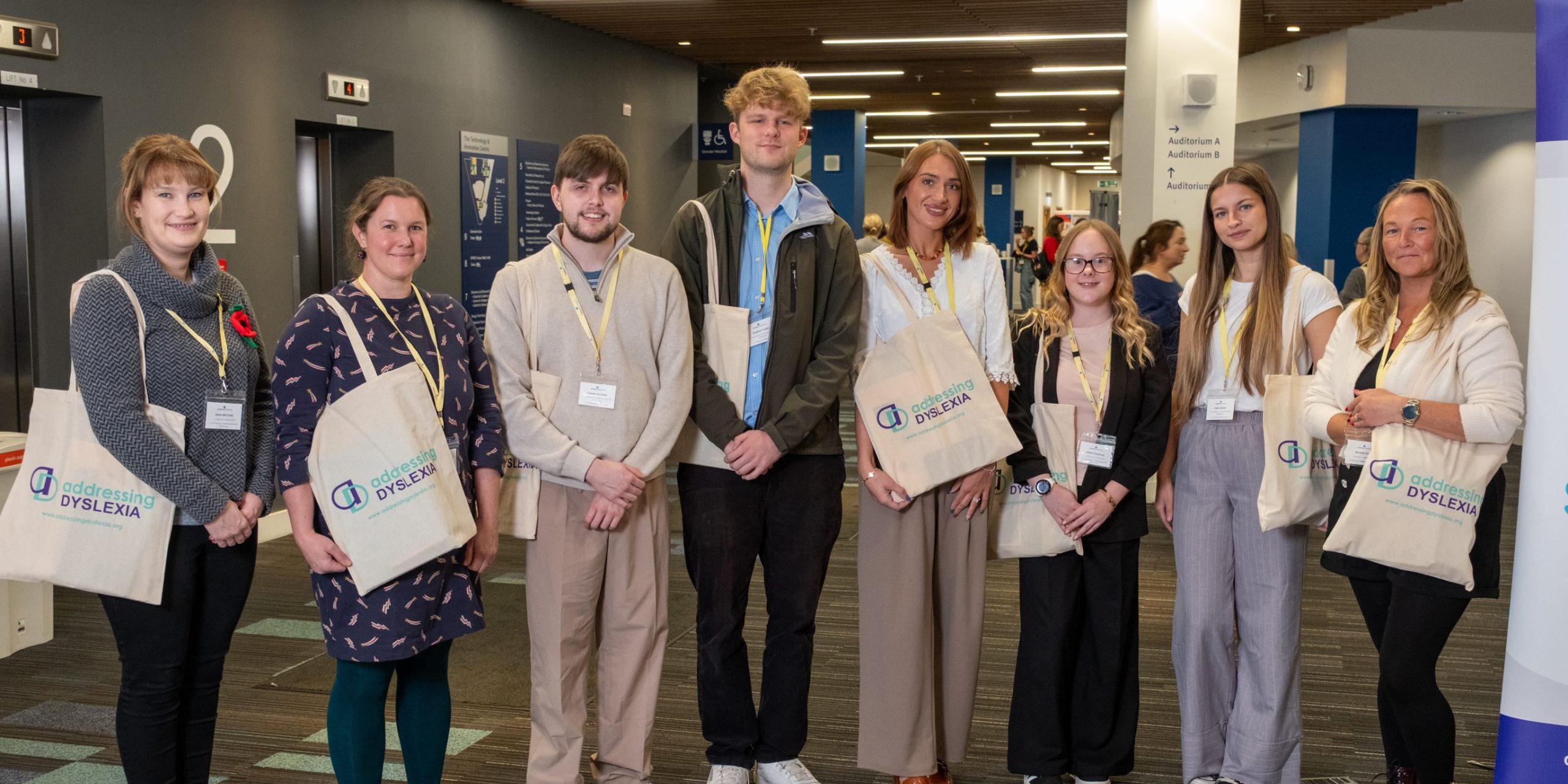
Ten student teachers received scholarship funding to attend Dyslexia Scotland’s national conference in November, thanks to sponsorship from the Cormack Consultancy Group (CCG)
The innovative partnership aims to strengthen dyslexia education within teacher training programmes across Scottish universities.
Nearly 40 student teachers applied and places were awarded to future teachers from Queen Margaret University, the University of Highlands and Islands (UHI), the University of Glasgow, the University of Dundee and the University of Aberdeen.
According to the 2024 pupil census, 35,245 pupils in Scottish schools have been identified as dyslexic, representing around 12% of all pupils with additional support needs. A 2023 report by the Equality and Human Rights Monitor, Is Scotland Fairer?, found that pupils with dyslexia have lower attainment than those without additional support needs, highlighting the urgent need for improved dyslexia support in schools.
However there is no requirement for mandatory dyslexia awareness in the syllabus of any initial teacher education courses in Scotland.
The successful scholarship recipients spoke about the impact of the opportunity on their professional development.
Elizabeth Chapman, a student at UHI, said: “Being able to hear directly from experts, attend practical workshops, and gain insights from inspirational speakers like Hamza Yassin has been invaluable. This experience will directly influence how I support dyslexic and neurodivergent learners.”
Anna MacRae, a student at University of Glasgow said: “I would like to say thank you very much to the sponsors for being given the opportunity to attend this conference. It has been so valuable for my personal development as a student teacher. I now have a lot more knowledge and have gained strategies that I can put into place to benefit students with dyslexia that I will be working with in the future.”
Andrew Taylor, a student at the University of Dundee, said: “One of the main reasons I chose to become a teacher was the incredible support I received from a particular teacher during my exam years. She helped me navigate my learning boundaries and gave me the confidence to develop a passion for subjects I still love today. Now, as a trainee teacher, I want to reflect that same understanding and empathy in my own practice. I aim to support students as they face their own learning challenges and help them build confidence in their abilities. This conference was a valuable opportunity to deepen my understanding of how the brain works, especially in relation to dyslexia, and to explore strategies for empowering students.”
Jasmine Winter, a student at the University of Glasgow, said: “I have seen first-hand, through supporting family members with autism and ADHD, how transformative knowledgeable, compassionate teaching can be. I want to be that kind of educator – one who understands and adapts to different learning profiles to help every child succeed.”
Charles Cormack, Founder and Chairman of Cormack Consultancy Group, said: “It is vital that teachers understand how to identify children with dyslexia so appropriate support can be put in place as soon as possible. We have supported Dyslexia Scotland for a number of years and the work they do is so important in helping young people achieve their potential.”
Dyslexia Scotland, in close collaboration with Education Scotland, is the main provider of dyslexia training for Scotland’s education workforce, offering a national Addressing Dyslexia Toolkit, free online modules and a GTCS-accredited Professional Recognition Award in Dyslexia and Inclusive Practice.
This year’s Education Conference featured a keynote on the Science of Reading from Dr Jeremy Law, Senior Lecturer at the University of Glasgow, workshops on morphology, ADHD and practical dyslexia-support strategies, and a closing talk from Dyslexia Scotland’s Ambassador wildlife cameraman and former Strictly Come Dancing winner Hamza Yassin.
Could your organisation provide scholarship grants to support teacher training? Contact us to discuss your offer.