 My Account
 Cart
Cart

 Helpline:
  Recite
Morphology
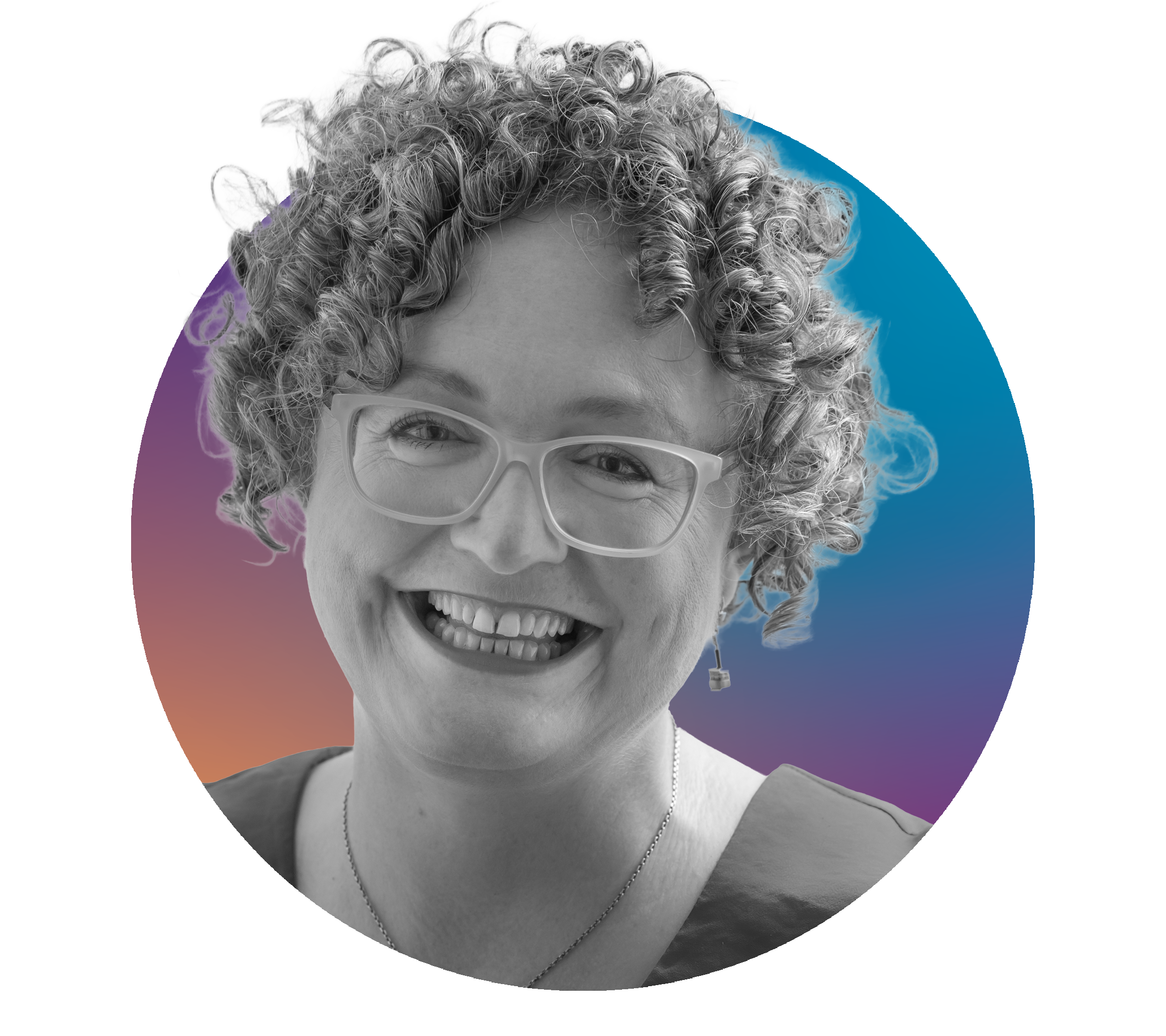
Our conference keynote will be Louise Selby – here’s a taster of what to expect from the dyslexia specialist’s input
Even when reading progresses, spelling and writing often remain challenging for learners with dyslexia. Despite appropriate phonics teaching, words can be difficult to spell and hard to use with confidence. Writing can become a laborious act of transcription, with meaning and creativity taking a back seat.
Reading a word aloud is not the same as knowing it, and it certainly does not guarantee it can be spelled. Yet many learners with literacy difficulties, including those with dyslexia, are found in this predicament, despite high-quality phonics teaching. Writing then becomes effortful and frustrating, often lacking in purpose and enjoyment.
English is a morphophonemic language, built from units of sound (phonology) and units of meaning (morphology). This keynote explores why morphology (prefixes, roots and suffixes) may be the missing link in our literacy teaching.
Morphology by its very definition makes sense of words and is a vital part of understanding, reading and spelling them. It does not replace phonics, but complements it, helping learners see that words are not strings of letters to be memorised, but meaningful structures that can be understood, analysed, and used.
For learners who can decode but struggle to spell and write, morphology offers a practical bridge: from word reading to word meaning, and from effortful transcription to purposeful communication. Grounded in research and illustrated through practical classroom examples, this session will show how morphology can be taught in ways which are immediately applicable in the classroom. The focus is not on perfect spelling in isolation, but on enabling learners to use words with increasing control to communicate ideas, explore language and make meaning.
Find out more and book places