 My Account
 Cart
Cart

 Helpline:
  Recite
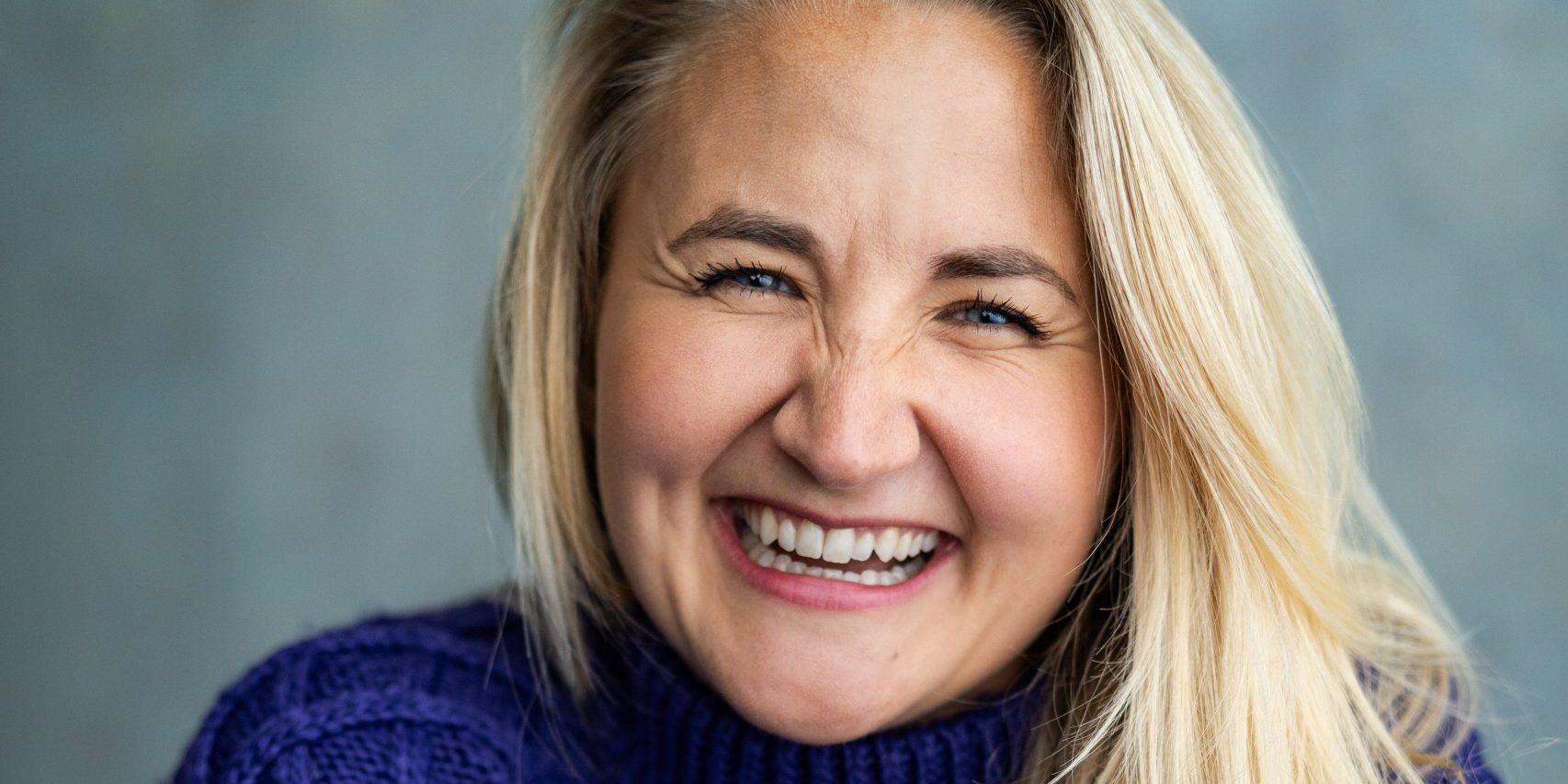
Meet Blanche Anderson
Dyslexic Voiceover Artist Blanche shares what it’s like to read out loud for a living
You’re very open about being dyslexic, what kind of reactions do you get from clients when you tell them?
Funnily enough I’ve not always been this open, it’s only a fairly recent thing. In fact, I used to try to hide my dyslexia as much as I could throughout my whole education and early career. I used to see people roll their eyes every time I mentioned having dyslexia, like I was making it up or using it as an excuse for 17 errors, so it put me off sharing. Over the last couple of years though I’ve felt a shift in public perception which gives me the confidence to mention it to clients, when I feel it’s relevant. Yesterday, I had a voiceover recording with extensive last-minute script changes and I stated to the client I’d need five extra minutes before joining the live voiceover session to prepare. Not only were they hugely understanding, they actually told me they were dyslexic themselves. On the whole, clients tend to be understanding and try to be as flexible they can be when you specify to them what you need.
Reading out loud is some people’s worst nightmare – why do you think you’ve been able to lean into voiceover work for your career?
Trust me, it was my worst nightmare for a long time, too. I distinctly remember sitting in English class at school and longing for the bell to ring so it wasn’t my turn to read out Shakespeare next. I remember struggling with it in university, too. I completed an Acting (BA Hons) degree which involved a lot of sightreading of scripts. I’d always try to cheekily read ahead when I could.
I get a lot of pleasure being creative with scripts so that helps me get in the performance zone and focus less on the technical reading aspect. It took time for the fear to go, but as I gradually started reading more and especially live in front of producers, the fear lessened for me. I still occasionally get a little nervous if it’s a particularly long script, but the safe aspect of pre-recorded audio is that you can re-record until you get it right – and usually people only ever hear the finished polished product.
You recently helped Dyslexia Scotland to promote our national survey of dyslexic adults – what made you want to back this?
Without being cliched, now that I have found my dyslexic voice, I want to encourage others to embrace it and not let it stand in their way. If I can read for a living, something I found/find challenging, then others can conquer their hurdles too. I’m regretful it took me so long to accept my dyslexia but I now recognise it is a real thing, and like Dyslexia Scotland I want all dyslexic people to feel accepted, included and respected.
Do you think dyslexia is well represented in the media generally? What needs to change?
Overall, I think things are moving in the right direction, it’s recognised that there are strengths to being neurodivergent now, not just hindrances. People do also seem to be more accepting when they find out you’re dyslexic, so I believe the general messaging surrounding dyslexia must be improving. BAFTA recently offered me a scribe for an application I was making, so it’s great to see things in media becoming more accessible. I’d personally like to see other traits of dyslexia shared more widely to the public. I think the focus still seems heavily on reading and spelling issues but as any dyslexic person will tell you, there are many more aspects of your life that are affected, like short-term memory, word retrieval and computing certain information. Equally, it’d be great for the positive parts of having a dyslexic mind to be highlighted further, like high levels of empathy, problem solving and observational skills.
Blanche is a full-time Voiceover Artist. She’s best known for being the station voice of BBC Radio Scotland and the voice of some Lidl tills, but she’s worked with a huge array of clients such as Amazon, Samsung, American Express, Nike and Chromebook. You can follow her social media,
@ScottishBlanche. To listen to her portfolio, visit blancheanderson.com.