 My Account
 Cart
Cart

 Helpline:
  Recite
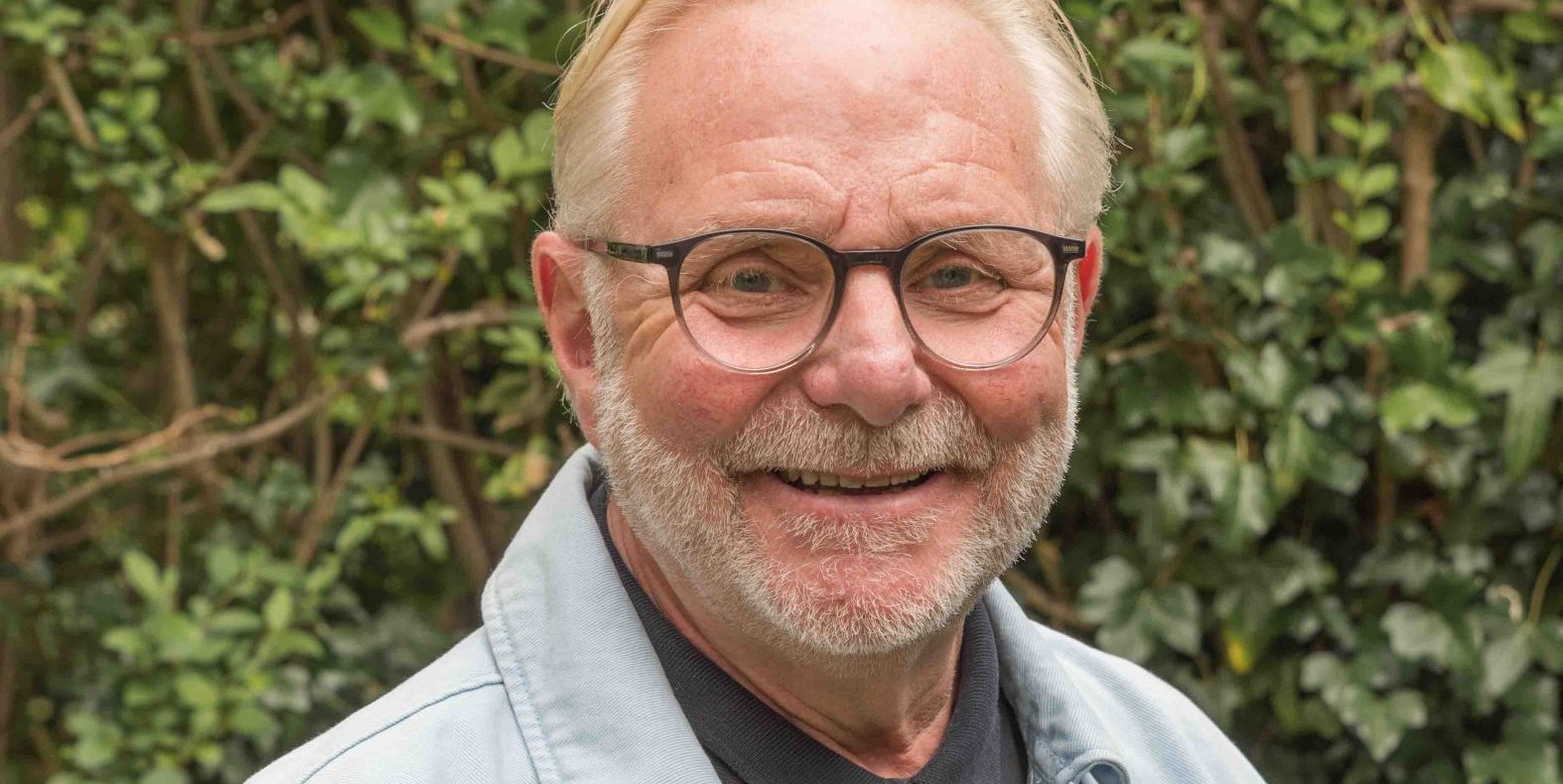
Literacy worker Alan
A belief that he wasn’t smart enough followed Alan for decades until a family friend intervened
by Ross Duncan, a member of Dyslexia Scotland
For much of his early life, Alan Addison believed he simply wasn’t intelligent enough. As a child growing up in Edinburgh, school was a place of confusion rather than opportunity. Questions that seemed obvious to his classmates made little sense to him, and repeated criticism left him believing he was stupid rather than just learning differently to others.
It was only after beginning university as a forty-year-old mature student that Alan finally received the identification that changed everything: dyslexia. Having already failed his first university essays, a family friend who was a Special Education teacher, as the occupation was called then, recognised the signs. She assessed him and gave him the explanation he had unknowingly been searching for all his life. Finding out he was dyslexic brought relief rather than despair. At last, he understood that his difficulties were not a lack of intelligence but simply a different way of processing language and learning.
Supported by dedicated educators and mentors, Alan persevered, completed his degree in English Literature and transformed what had once been his greatest obstacle into the foundation of a remarkable career. For him, graduation represented far more than an academic achievement. It was a tribute to his late mother, who had lived her entire life unable to read or write and whose own dyslexia had gone unnoticed. Alan has described symbolically handing his degree to her, recognising that their journeys were deeply connected.
That discovery shaped the direction of his life’s work.
Joining an empowering profession
Alan became a Family Literacy Tutor and a leading advocate of intergenerational literacy. His work has shown that when parents gain confidence in reading and writing, their children benefit too. Families become empowered, aspirations grow and cycles of disadvantage can begin to break. He witnessed this first-hand, including one family who progressed from struggling with literacy and self-belief to publishing an award-winning book.
Central to Alan’s philosophy is the belief that literacy gives people a voice. Without the confidence to read, write and communicate, individuals can become marginalised, particularly in communities facing poverty and deprivation. He argues that literacy enables people to describe their world, challenge inequality and participate fully in society. It is, in his words, an essential tool for empowerment and transformation.
Throughout his career, Alan has challenged the stigma surrounding dyslexia. Too often, he argues, learning difficulties are mistaken for laziness or poor behaviour. This misunderstanding damages confidence and prevents people from reaching their potential. His own experience illustrates the cost of that stigma, but also the extraordinary possibilities that emerge when people receive the right support.
What’s your dyslexia story?
Share it with us to feature in the magazine and website