 My Account
 Cart
Cart

 Helpline:
  Recite
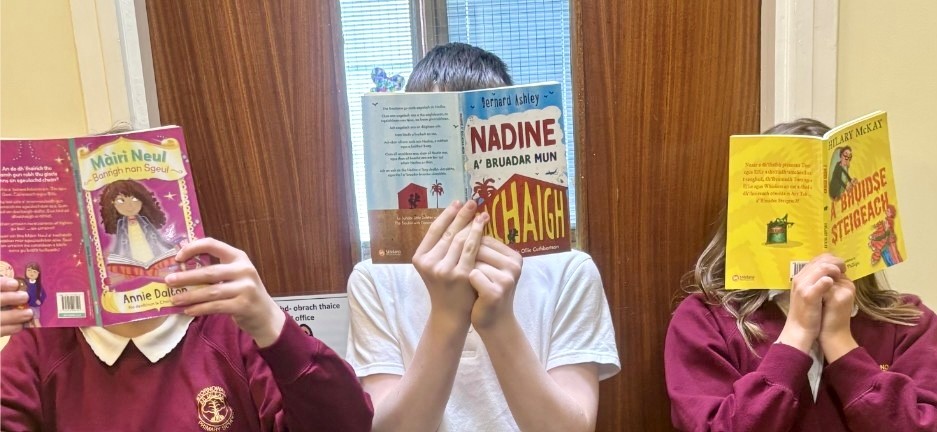
Dyslexia and Gaelic Medium Education
This guide explains how children with dyslexia are supported in Gaelic Medium Education (GME), the benefits of learning using two languages, assessment approaches and how your child with dyslexia is supported in GME.
What is Gaelic Medium Education (GME)?
Gaelic Medium Education (GME) is an option in some Scottish schools for children and young people to learn in Gaelic. As they progress through primary and secondary school, they become more fluent in Gaelic. Education for children and young people in GME meets all the aims and goals of Curriculum for Excellence (Scotland’s national curriculum for all children and young people aged 3 to 18).
Is dyslexia a barrier to GME?
Being dyslexic should not be a barrier to learning in Gaelic. There are also lots of educational benefits to learning in Gaelic. GME is recognised for successful and high-quality achievement in which young people gain the benefits of speaking more than one language.
In the same way as for dyslexic learners in English Medium, the most important thing for pupils with dyslexia in GME is early identification, appropriate support and an inclusive learning environment. This should involve close monitoring, communication with parents/carers and agreed strategies to support your child’s development of literacy skills.
How can my child start GME?
Children can enter GME, where it is available, from age 3 by attending a Sgoil Àraich (nursery) before moving into primary/secondary GME. Some children also begin GME in primary one. You can read about all stages of education in GME and the benefits on Bòrd na Gàidhlig’s website.
What are the assessment and support arrangements for learners with dyslexia in GME?
1 in 10 people are dyslexic, so it is just as likely for children and young people in Gaelic Medium as it is for those in single language environments. However, the fact that the child is learning to operate in two different systems of sounds and written language could be a complicating factor in identifying dyslexia and close investigation will normally be done in school before reaching conclusions. This will involve focused attention on the sounds and sound patterns in both languages. For most children, English will be their home language, so schools will usually need to take English language skills into account as well as Gaelic as some learners with dyslexia might approach reading and writing using English sound-letter patterns.
Most local authorities follow the same identification pathway for English and Gaelic pupils. You can read more about this in Dyslexia Scotland’s guide to Identification of dyslexia in schools. Any assessments will usually be in the learner’s home/strongest language.
Resources
About Gaelic Medium Education (Education Scotland)
Supporting children with effective strategies in GME (Education Scotland)
Fuaimean Feumail – phonics worksheets
Fuaimean Còmhla – structured phonics programme
CALL Scotland Scottish and Gaelic voices
Gaelic4Parents Gaelic audiobooks