 My Account
 Cart
Cart

 Helpline:
  Recite
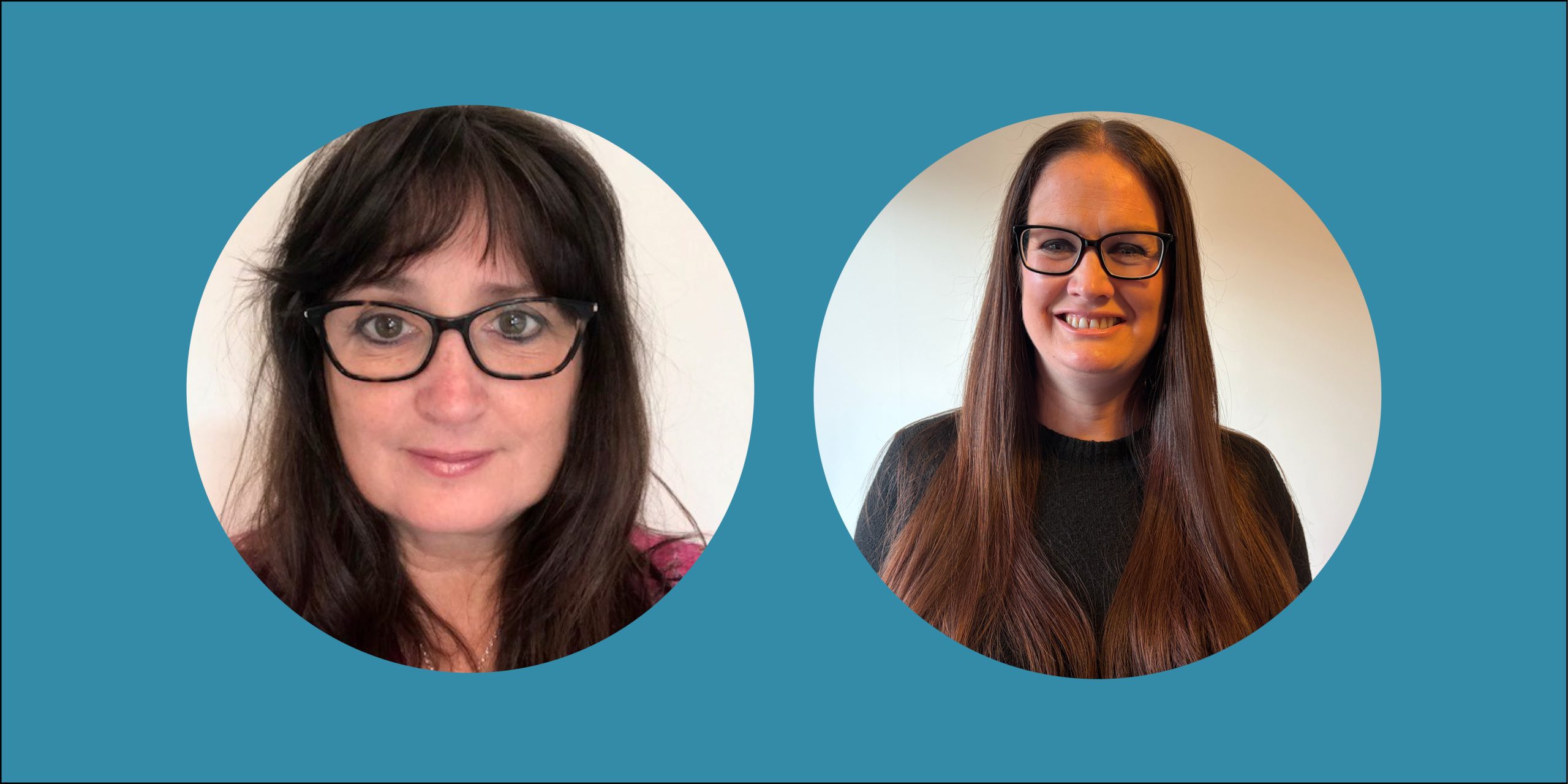
New recruits to lead dyslexia teacher training programme
Dyslexia Scotland has appointed two Education Programme Officers to deliver its national Professional Recognition programme in Dyslexia and Inclusive Practice
Victoria Armet and Carol Graham have been appointed to the roles on a job-share basis following a highly competitive recruitment process.
The roles will involve strategic programme management, the development of a community of practice and sharing of learning, knowledge and evidence from the programme.
Primary school teacher Victoria Armet is an alumnus of the programme, with experience as a group leader on the panel assessing participants’ submissions and sharing of learning from the programme.
Carol Graham, a specialist dyslexia assessor and trainer, brings broad experience from Scottish education settings as well as being a member of the Addressing Dyslexia Toolkit working group, Scotland’s national dyslexia resource for teachers.
The appointments come at the start of Dyslexia Scotland’s new five-year strategy, which prioritises tackling inequalities in the attainment and wellbeing of children and young people with dyslexia.
Dyslexia Scotland CEO Cathy Magee said: “Carol and Victoria bring a wealth of expertise in dyslexia and teaching practice. Their commitment to inclusion and dedication to improving outcomes for learners will be a real asset to the programme and make a significant contribution to our goal of closing the attainment gap between learners with dyslexia and their peers.”
Education Scotland Senior Education Officer Fran Foreman said: “As the programme moves into a new and exciting phase, Victoria and Carol’s experience, expertise and drive will support the continuing growth of a valuable community of practice across Scotland. We are looking forward to working with them to help educators support children and young people with literacy difficulties and dyslexia.”
Newly appointed Dyslexia Scotland Education Programme Officer Carol Graham said: “The identification and support of dyslexic learners have been my driving passion in education for over three decades and I am delighted that I can continue to pursue this in my new role.
“I will be working hard to support the aims of Dyslexia Scotland and Education Scotland, ensuring quality of assessment and reporting, appropriate intervention, inclusive practice, and wellbeing support are available, on an equitable basis, within all schools in Scotland.”
Newly appointed Dyslexia Scotland Education Programme Officer Victoria Armet said: “I feel very privileged to be taking on the role of Education Programme Co-ordinator with Carol Graham. As a class teacher and a parent of dyslexic children, I am very aware of the strengths of dyslexic young people but also of the challenges that they can face. Within my own classroom, I am passionate about ensuring that every learner reaches their full potential and I can attribute much of my day-to-day practice to my own participation on this course back in 2022.
“I am deeply encouraged by the amount of positive work that is happening in education establishments across Scotland. In this role, I hope to build upon this excellent work and look forward to working with practitioners from across Scotland to bring about lasting change for our young people.”
Since the programme’s inception, 265 educators have taken part, with 133 gaining Professional Recognition certification so far. The current cohort’s submissions are due to be reviewed this autumn so this number of Professional Recognition awards will increase.
The charity said that the level of engagement has far exceeded the programme’s original expectations for participation and impact. The expanded GTCS-registered Dyslexia and Inclusive Practice programme will welcome 100 participants for the first time this year, following a competitive application process with over 140 high-quality applicants.
The programme aims to develop accomplished teachers and lecturers with expertise in dyslexia and inclusive practice, equipping them to support learners and colleagues through the holistic identification and support process for dyslexia. Dyslexia is the fourth most commonly identified additional support need in Scottish schools.