 My Account
 Cart
Cart

 Helpline:
  Recite
Learning and leadership
by Elley Petrie, a Member of Dyslexia Scotland
Accepting how her brain works and finding tools for daily life help Elley be an authentic leader
Being a CEO of an educational organisation is not something I ever imagined for myself. I am not an academic, and sometimes that makes me feel like an outsider in a world full of experts, researchers, and policies. Over time, I have learned that leadership is not about being the most academic person in the room. It’s about connecting with people, building trust, and helping everyone around you to belong and thrive.
At the heart of my work are the values of our organisation: to connect, belong, and thrive. These are not just words; they are what I try to live by. I try to connect people who might not otherwise meet, to help them find a sense of belonging, and to make sure our community can grow and succeed together. Sometimes that means sitting quietly and listening. Other times it means standing up and challenging something that doesn’t feel fair.
The other side of my role can be much more formal. There are procedures to follow and important decisions to make. I’m expected to engage with academics and professional service teams, many of whom have deep expertise in their fields. It can be intimidating at times, especially when my brain works a little differently because of dyslexia and ADHD.
My world is colourful and fast-moving. I often think in pictures rather than words. I can see connections and ideas very clearly in my mind but getting them down in a report or email can take longer. I sometimes mix up details or miss small things when I’m juggling too much. I don’t always get things right, and I’ve had to learn that that’s okay. Mistakes are part of the process and part of learning.
I’m always learning from others, from how they speak, write, and make decisions — and I try to adapt styles that work for me. My approach might not look like everyone else’s, but it’s mine, and it’s honest. I’ve learned that being open about how I work helps others to feel they can do the same. When people see me being real about my challenges, it often gives them permission to be real too.
The tools that help me
AI has become a big help in my daily life. It helps me write clearly, check spelling and grammar, and plan out large pieces of work. It saves me time and reduces stress, letting me focus on what really matters: people. It has become another tool that supports how I work, rather than something that replaces my thinking or creativity.
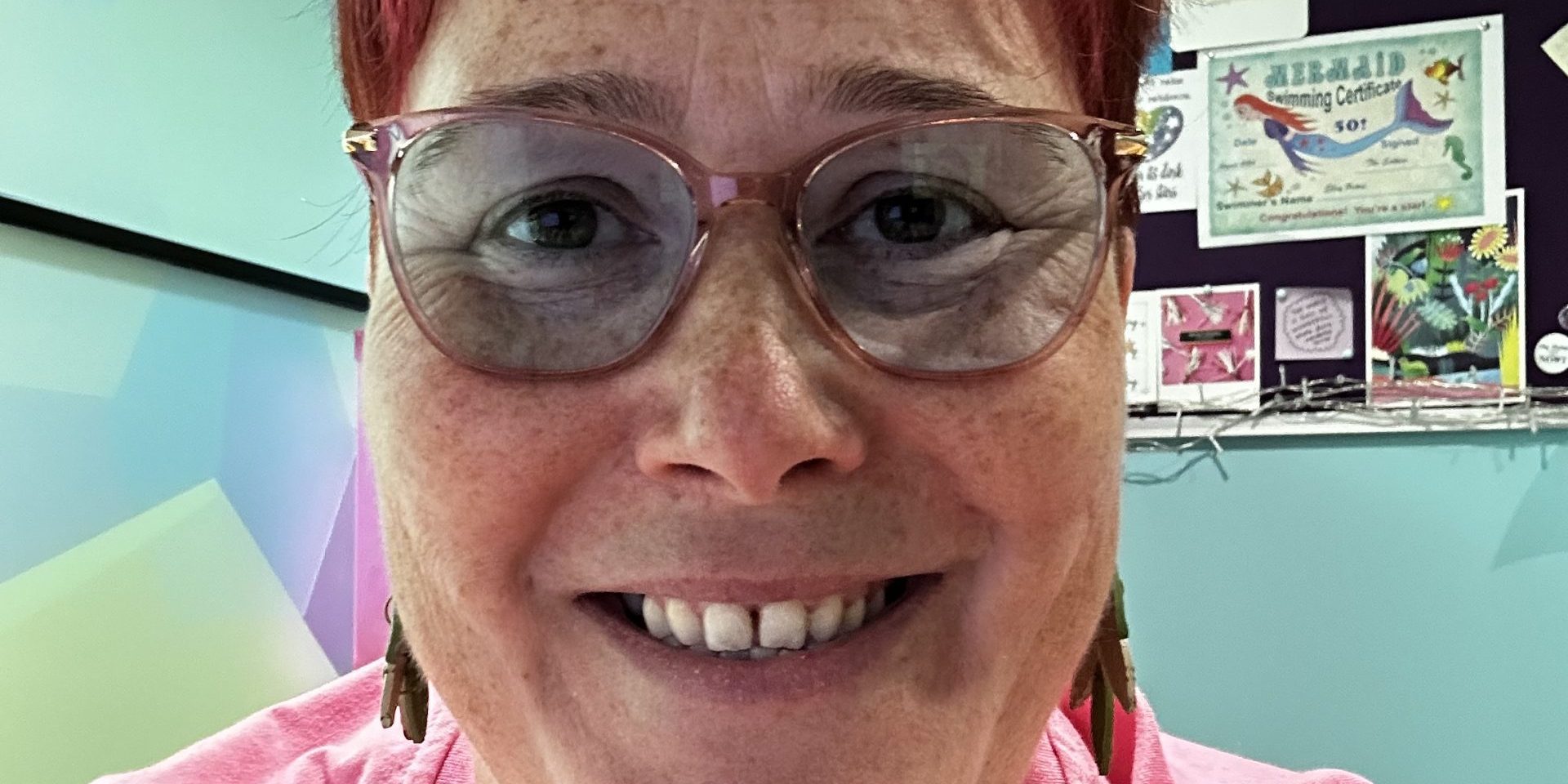
I use other supports. I wear tinted glasses when looking at the computer screen for long periods. Coloured notepads and pens to help keep my thoughts organised. In meetings, I often colour-code my notes to make it easier to follow what’s happening and what needs action later.
Being a CEO with dyslexia and ADHD means my leadership journey is full of creativity, challenge, and constant learning. Some days are easier than others, but I wouldn’t change how my brain works. It gives me empathy, imagination, and the ability to see things from different angles.
I am proof that there are many ways to lead, and that the most important kind of intelligence in leadership is emotional intelligence.
With the right tools, support, and a bit of courage, we can all connect, belong, and thrive, in our own unique ways.
Leaders like Elley are supportive of neurodivergent working needs. See our Employers page for ways to help dyslexic employees thrive.