
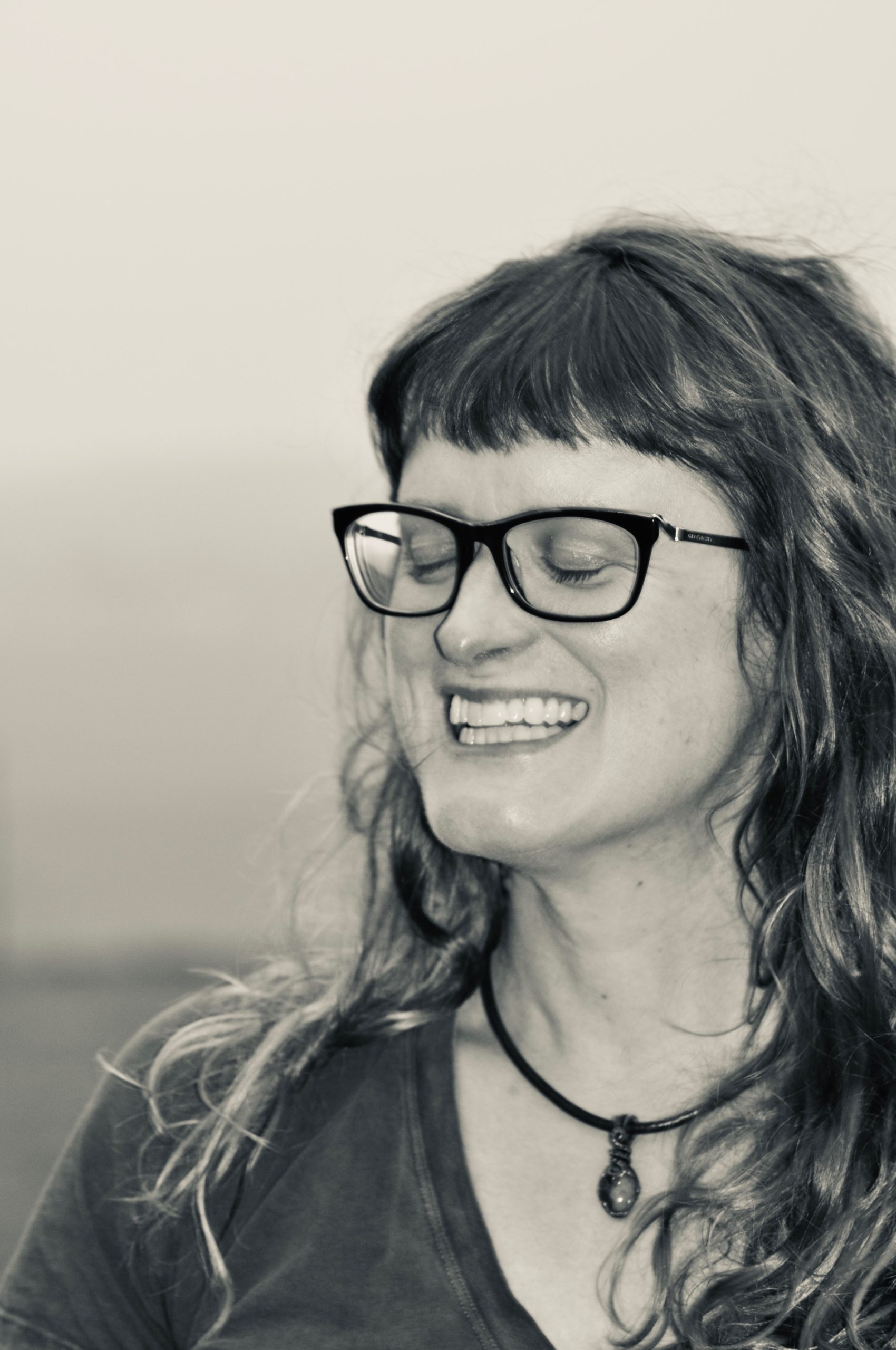
by Elisabeth Kelly, a Member of Dyslexia Scotland
I can clearly remember some of the times I was told I wasn’t good enough because of my dyslexia. I imagine there were many more both overt and more subtle through the years since my identification at eight years old.
I remember at school being made to stand up in front of the class and told to spell a word out loud. I could not spell it and the teacher made me stand there for so long attempting to until she called me stupid and told me to sit down. Another time that stands out clearly was at university by the Professor overseeing my dissertation. He told me that although my work was good enough, I wouldn’t get a First Class Degree because my grammar wasn’t consistent. Later, when I returned to university to study for a postgraduate qualification in Teaching, I was told to “not mention it”, certainly not in the profession I was going into. And that was by the Learning Support Department at the university.
Luckily someone didn’t mind, as I went on to get a postgraduate with Distinction (twice!). However, the very people who were meant to support me made me feel not good enough, and that feeling lasted a very long time in my teaching career. Lastly was by a headteacher. “Goodness, are you? Don’t tell the children or parents” was their response.
At the time I believed them. That in some way my dyslexia made me lesser, that it was shameful and something to hide. I did once spell something wrong in a letter to a parent and they showed no compassion. They wrote back asking me how I could possibly teach their children when I couldn’t even spell myself.
However, last month I stood in front of a class of P7s and proudly told them that yes I was dyslexic, yes I was a teacher and yes I was also a poet and a children’s author and yes they could be too.
How dyslexia helps
I explained how, in fact, my dyslexia helped. That I wasn’t bound by rules and constraints of grammar and that made my poetry more powerful, more real and helped me become a published poet. I tutor young people now, and I tell them all I am dyslexic as many of them are also. It shows them there is no shame, that I have benefited from my dyslexia, and, where it is a pain – because it can be – I have built strategies to help.
I use computers for spelling, I write lists, I have places to put things to be organised. I embrace my chaos because that is who and what I am. My son is autistic and my daughter dyslexic and we are all hugely creative. We refuse to be defined and boxed. I am so proud of my diverse family who think in a zig-zaggy way instead of up and down. It is the zigzag that means I now write books, and people read them.
Can you relate to Elisabeth’s story? Join Dyslexia Scotland as an Educator Member and help make change happen